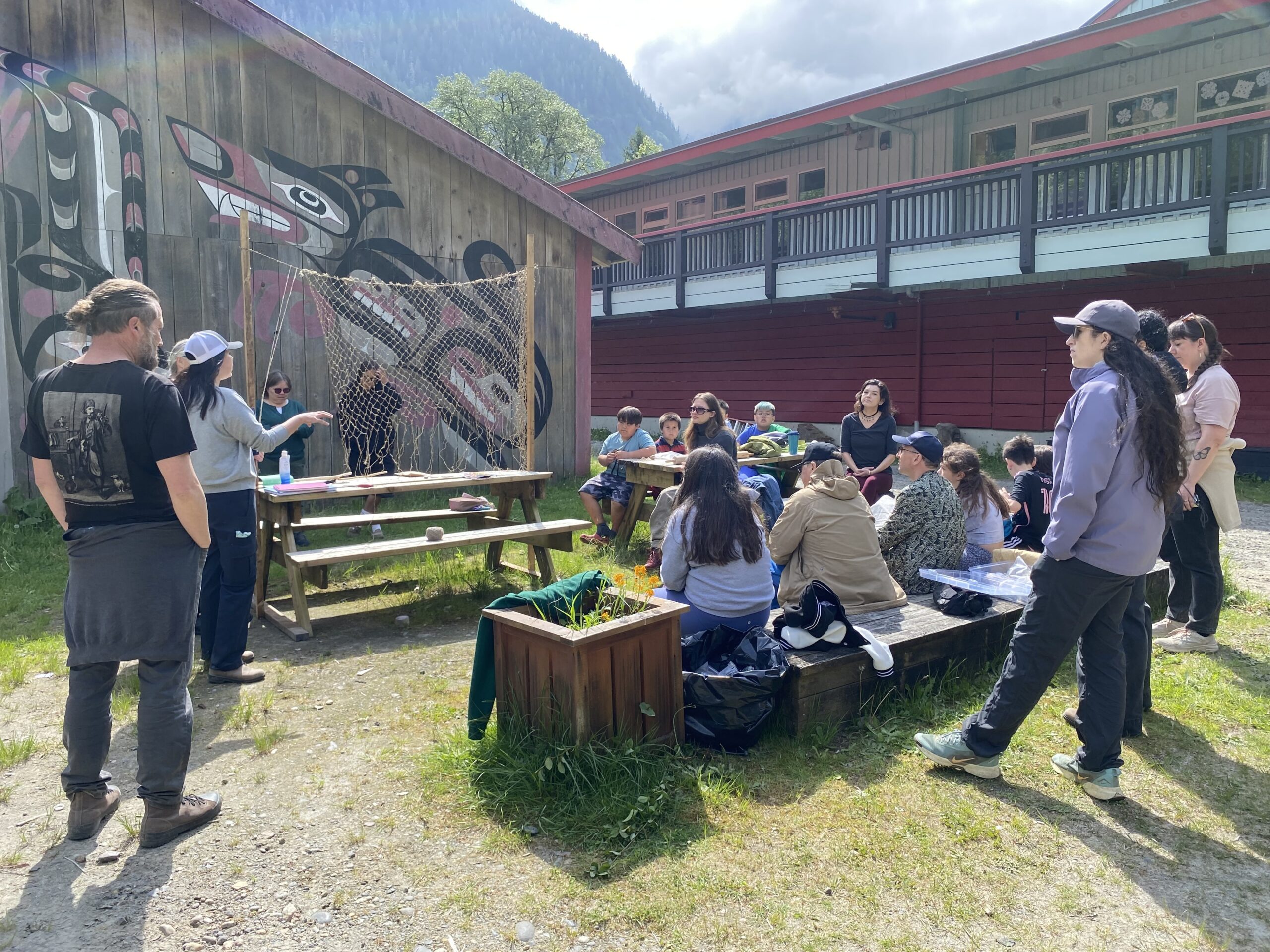

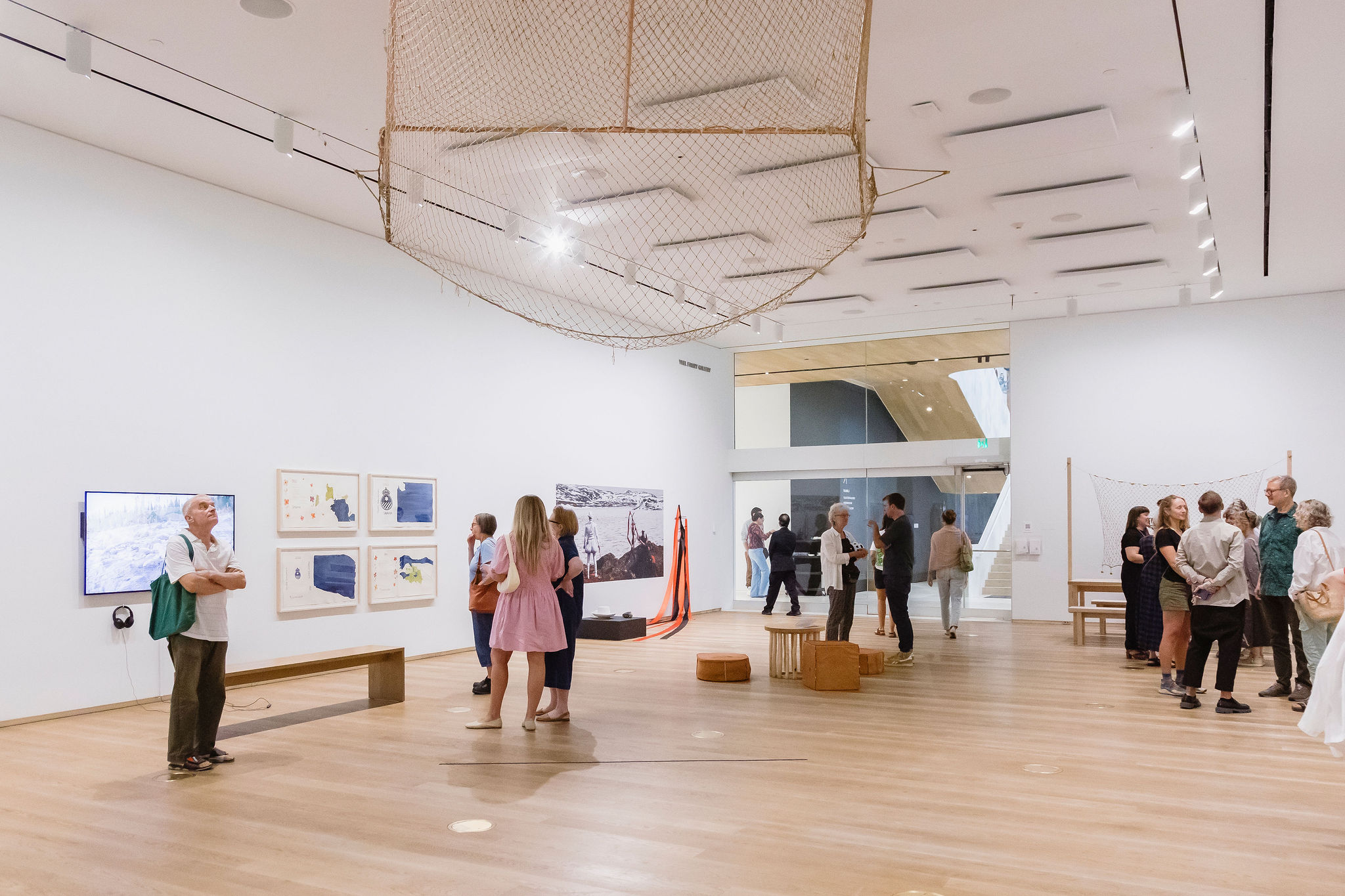
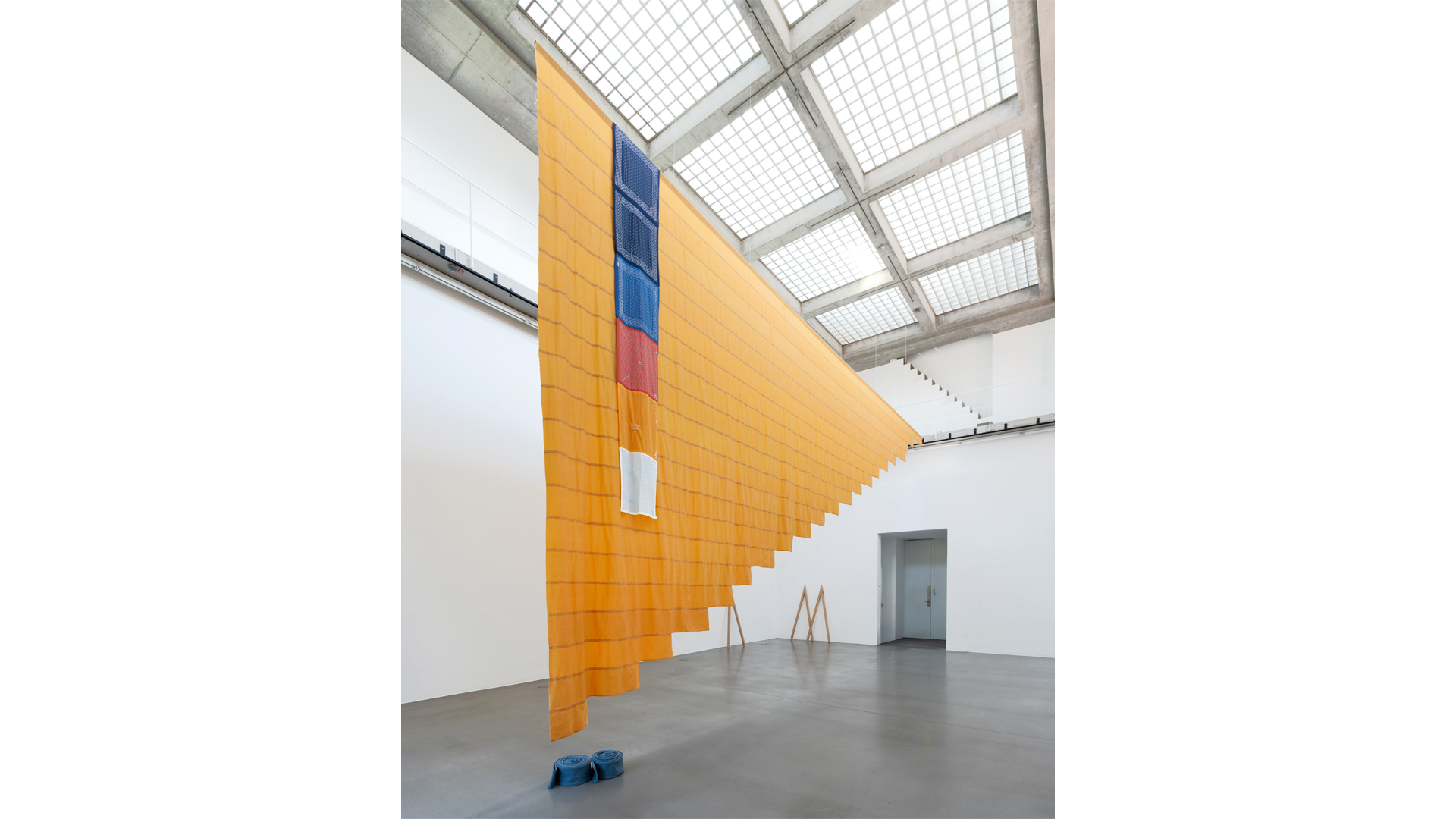
The ambitious multi-year project Carried by rivers, held by lands has been experienced through exhibitions and installations at Remai Modern since late 2024. But the project’s impacts and stories extend far outside the museum’s walls and schedule.
In September, the participating artists and their collaborators will come to Remai Modern for a two-day public gathering that explores what has been learned so far through the project and what comes next. Learn more and register to attend by visiting the Carried by rivers microsite.
We spoke with Tarah Hogue—who curated the project alongside Aileen Burns and Johan Lundh, Co-Executive Director and CEO of Remai Modern, and Maria Lind, Director, Kin Museum of Contemporary Art, Kiruna—to learn more about this complex curatorial endeavour.
Remai Modern: Where did this project start?
Tarah Hogue: The project grew out of a long-term relationship between [Remai Modern Co-Executive Director & CEO] Johan Lundh and [Swedish curator] Maria Lind and a way of working that starts by bringing artists together from the places where we are familiar, where we’re living and working, to bridge those contexts and create dialogue across them.
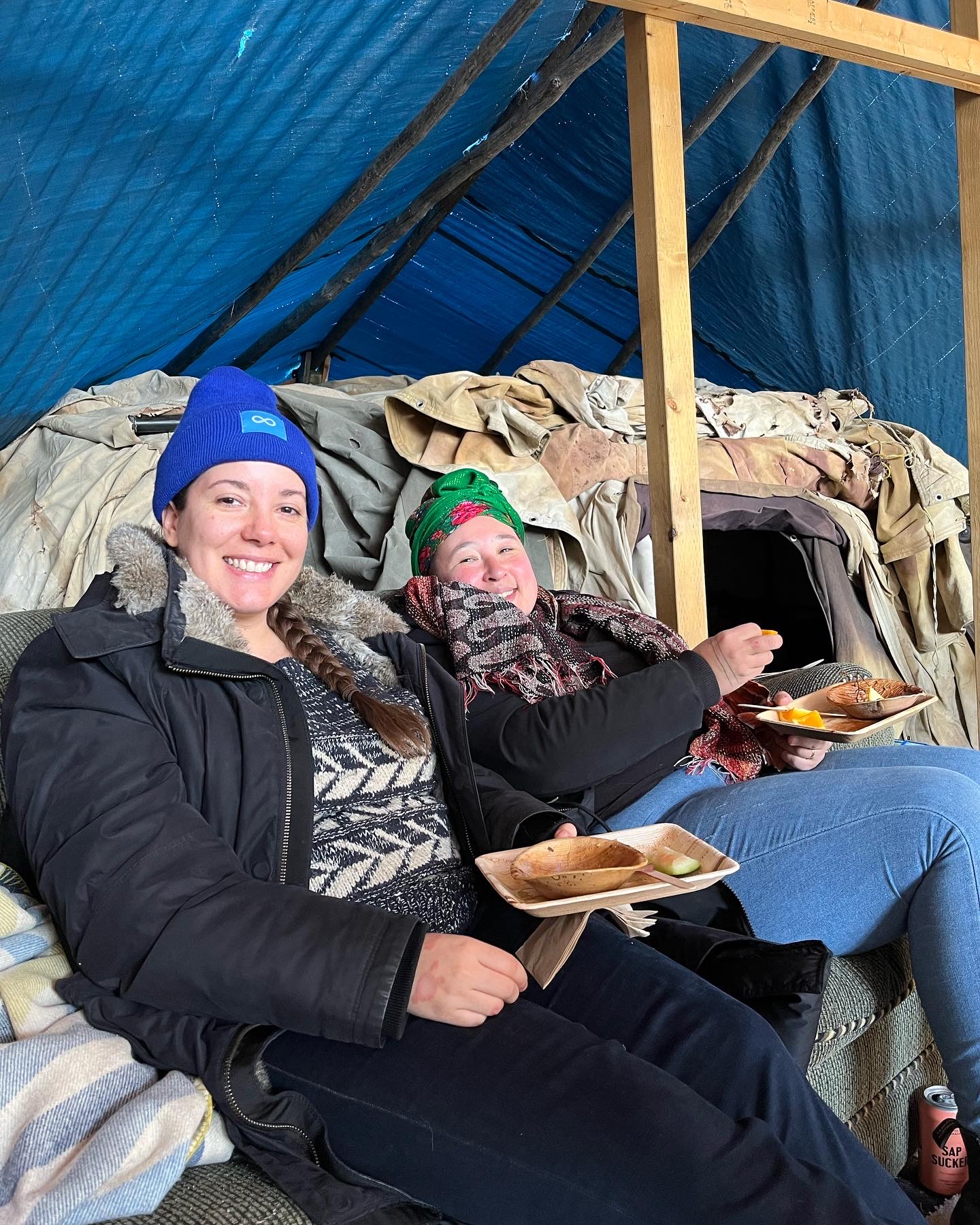
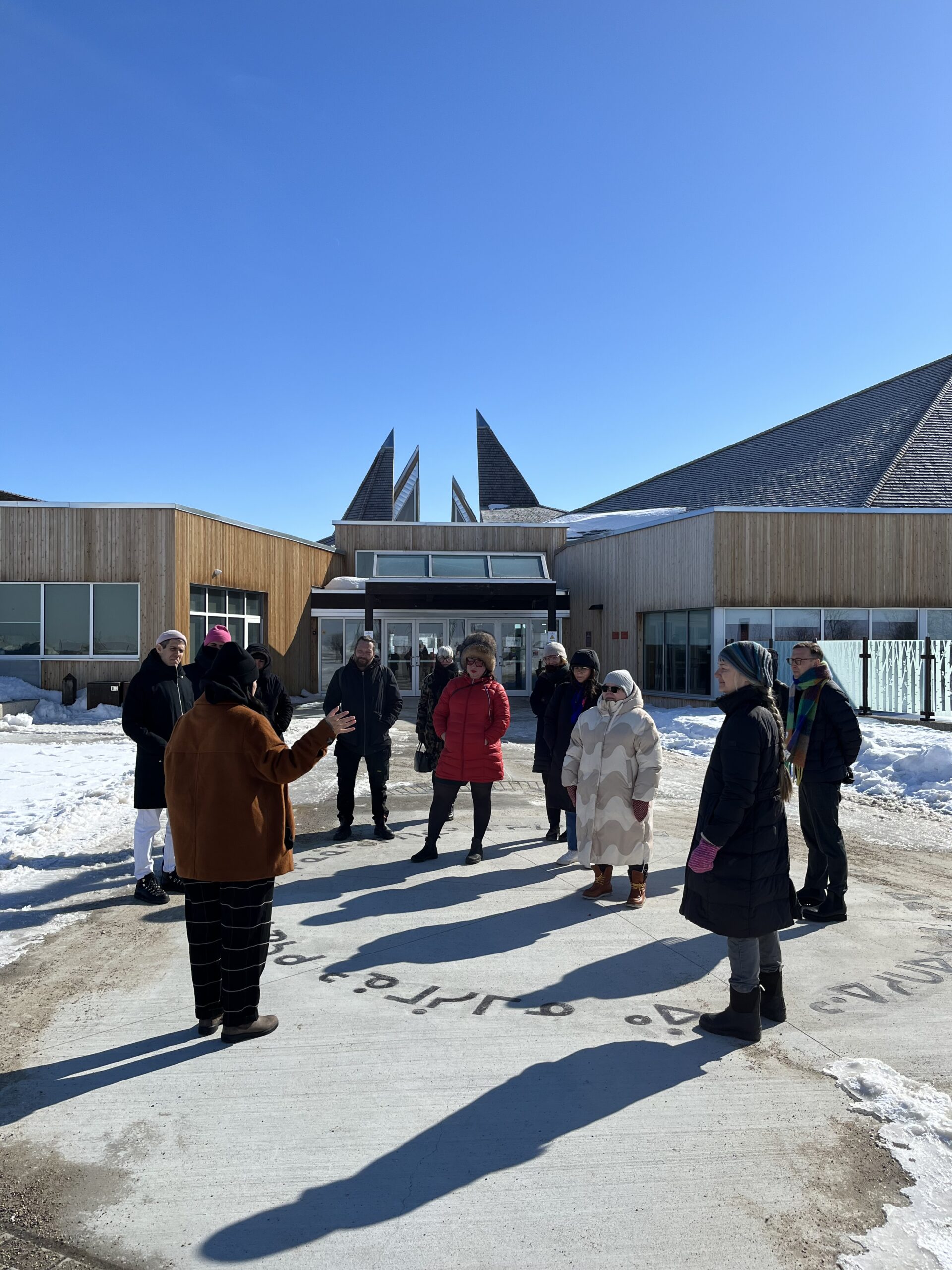
We held a gathering at the museum in March 2023, where we brought together a core group of the participating artists to help shape the framework for the project. We had some initial ideas around what we wanted to address as curators, but we wanted to shape the project further in dialogue with the artists.
RM: How does the title Carried by rivers, held by lands connect to the project?
TH: We came to the river as a kind of organizing principle for the project, thinking about upriver and downriver relations as an ethical call to think through how actions in one place affect communities and more than human kin down river and how every river flows into an ocean. We were thinking about the ways that we’re complexly “connected to multiple elsewheres” as we write in the project statement.
That was also a way of not flattening the artist’s practices by bringing them into a singular narrative about climate change or about land-based relationships but recognizing deep specificities [of each practice] and the need for solidarity across these places.
RM: How did the curatorial team select artists to participate?
TH: The curators all brought a slate of names to the table. Maria, of course, was bringing artists from Sweden and from Sápmi, the traditional Indigenous homeland of the Sámi people, which extends across northern Norway, Sweden and Finland and into the Kola Peninsula in northwestern Russia. And Aileen, Johan and I brought forward artists from our own context and working relationships.
We were thinking about artists who have practices that are deeply tied to lands and waters, often in ways that are very active or activist almost, more than simply representational. Many of the artists work in a collective way or work through language revitalization or continuance of traditional cultural forms in a contemporary artistic context. We also thought about artists who live in rural and remote locations, far from urban centres and the ways that they are working with the land, with community, all toward creating healthier futures for both the land and for the people that are sustained by the land.
RM: What came out of those early artist discussions?
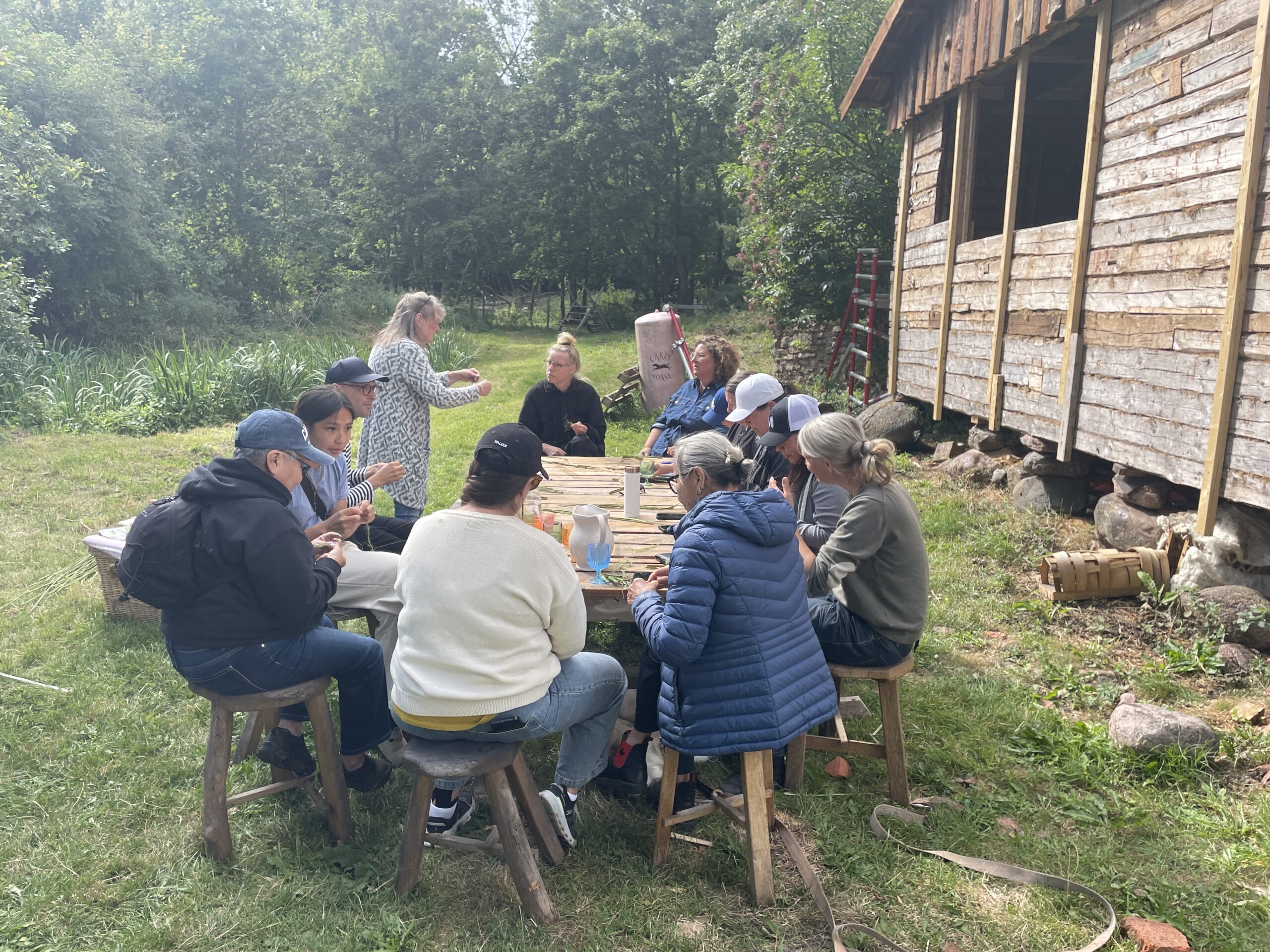
TH: It was really galvanizing to bring that group of artists together for the first time because we were learning about each other’s practices and the kinds of considerations and concerns that drive us forward. There was a lot of productive debate around what kind of structure the project should take. And we landed on a series of projects, many of which are new commissions that arose from research or exchanges. We didn’t set out to bring the artists into a collaborative relationship, but that did end up happening. In particular, Marianne Nicolson and Kultivator became interested in working together because of the shared presence of stinging nettle both on Öland, which is the island where Kultivator’s farm and artist residency is based in Sweden, and then in Dzawada̱’enux̱w territory on British Columbia’s Central Coast, where Marianne Nicolson’s community is.
It was an entirely unexpected—and deeply rewarding—outcome.
RM: What makes the Carried by rivers, held by lands project special?
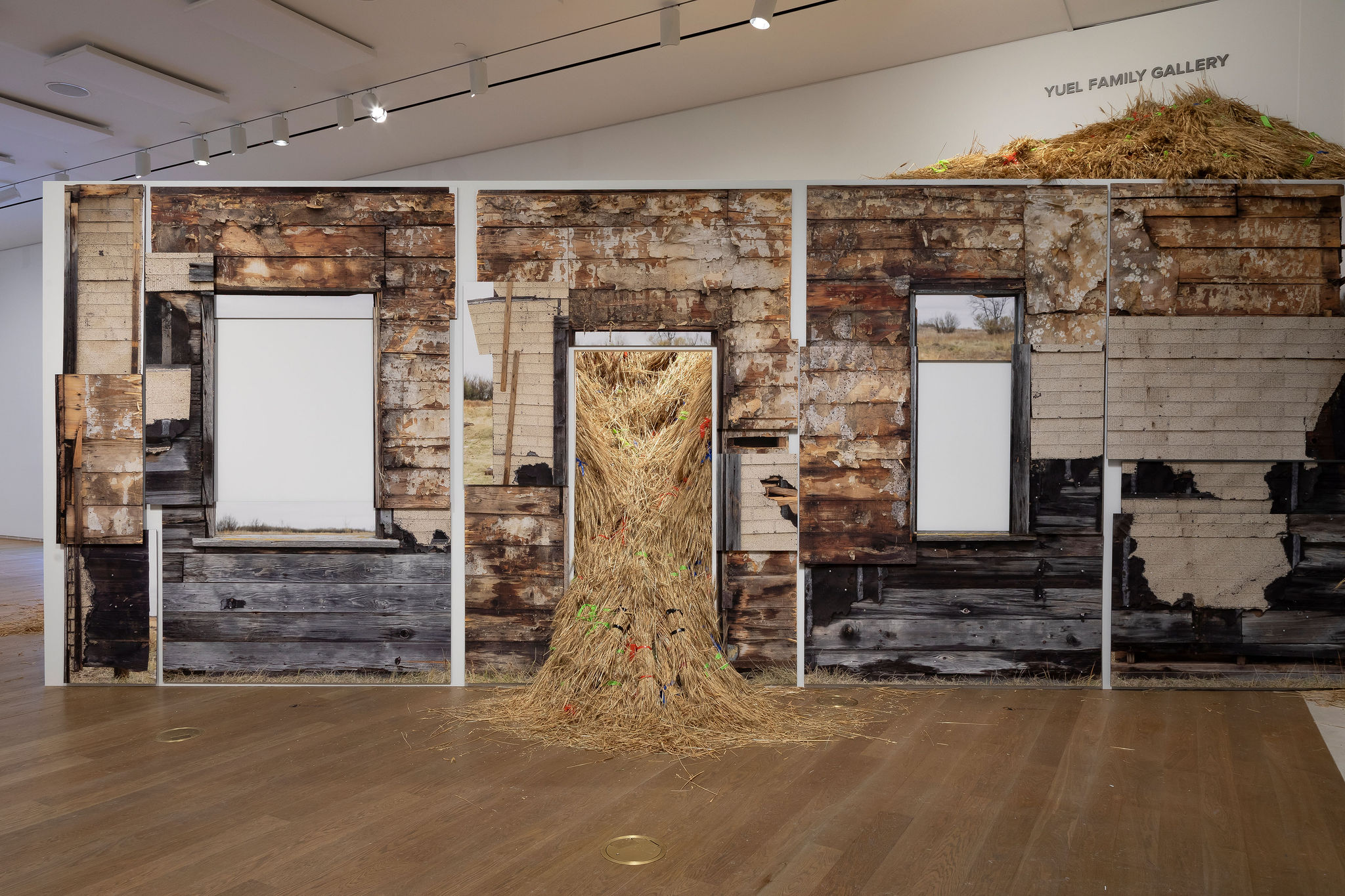
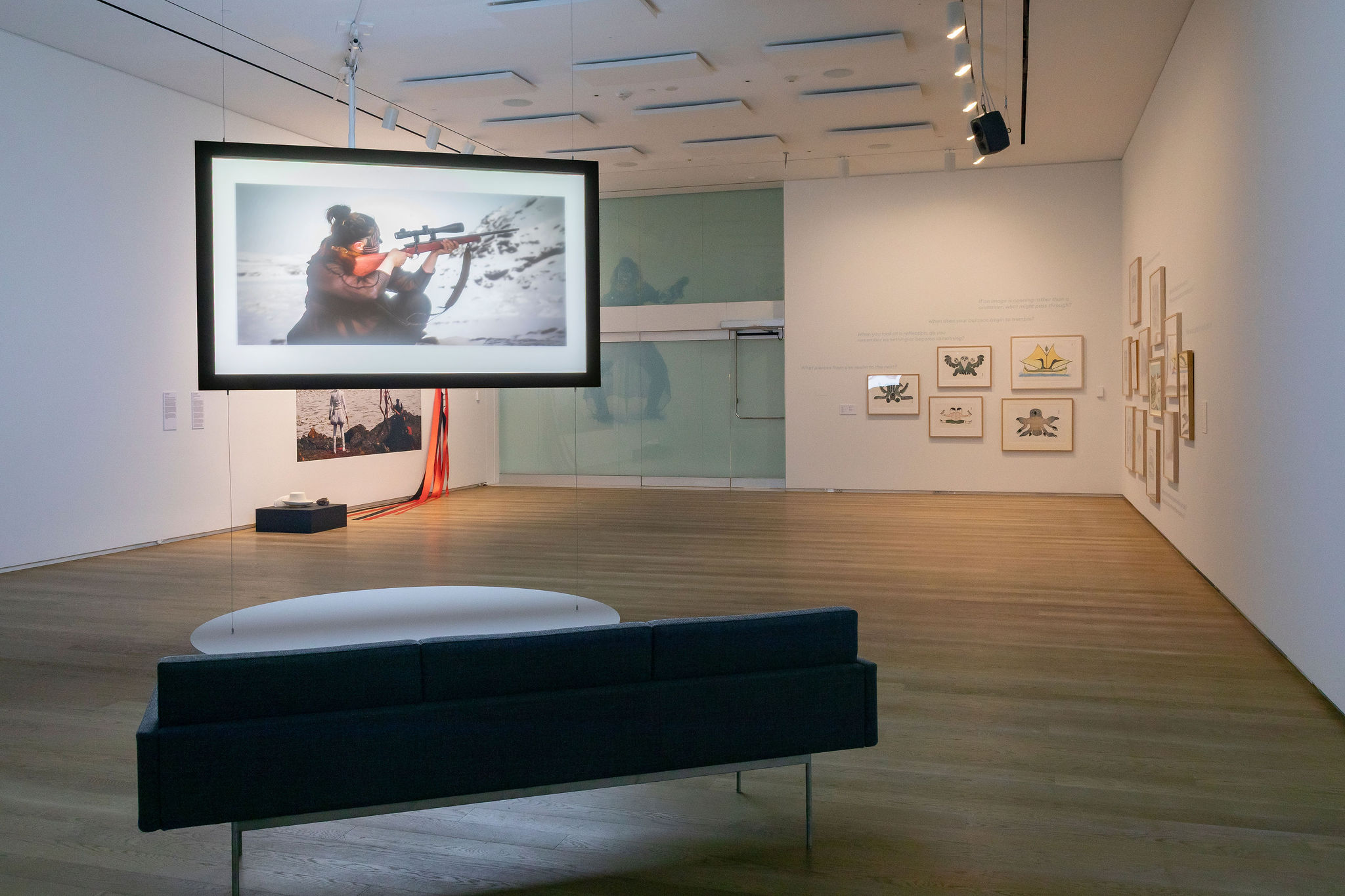
TH: The fact that the project has really woven in and out of the museum is certainly something that is unique. It requires a different kind of way of working and a different kind of resourcing than the usual exhibitions in the galleries.
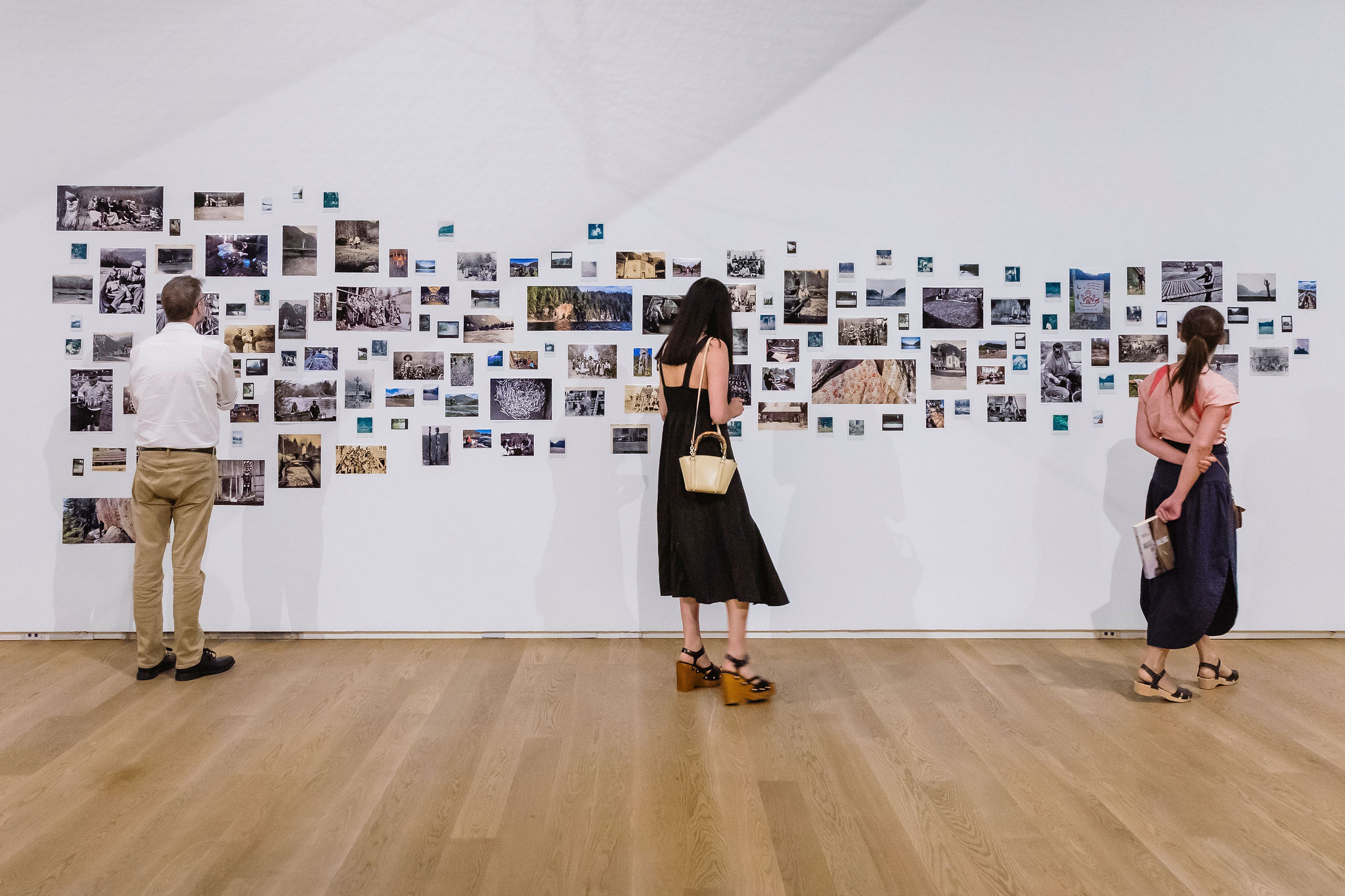
Marianne’s project, for instance, is part of a longer-term body of work unfolding in her community. Through resources and coordination, the museum is supporting that ongoing process—an approach that is central to what makes this project distinctive. It asks how a museum can meaningfully support work already taking place in artists’ communities. The gatherings and exchanges that have taken place inform the work that visitors will encounter in the museum, both in the gallery spaces and the interstitial areas where some of those works have been installed. But by prioritizing that relational process, the project also extends beyond what is visible in the galleries. The final gathering and an online publication will bring those various threads together.
It reflects a way of working—and a depth of commitment to the artists involved—that is not always possible within a regular exhibition program. It is remarkable in that sense, and has expanded the museum’s capacity in productive ways: through the development of long-term relationships with artists, but also by prompting us to think more deeply about the museum’s role in relation to artists and communities, and how that work and those relationships are shared with audiences.
RM: The project culminates this September through a two-day gathering that is open to the public. What is taking place at that event?
TH: The first day is hosted by Cooking Sections and is part of their ongoing initiative called CLIMAVORE, which thinks through food production, agriculture, and the ways we eat in relation to what they call the seasons of climate change. One example of a project that they’ve done in the past is to work with museums and cultural institutions in the UK to shift their menus away from farmed salmon, which has such a devastating impact on the ecosystem of the ocean, towards more sustainable forms of aquaculture.
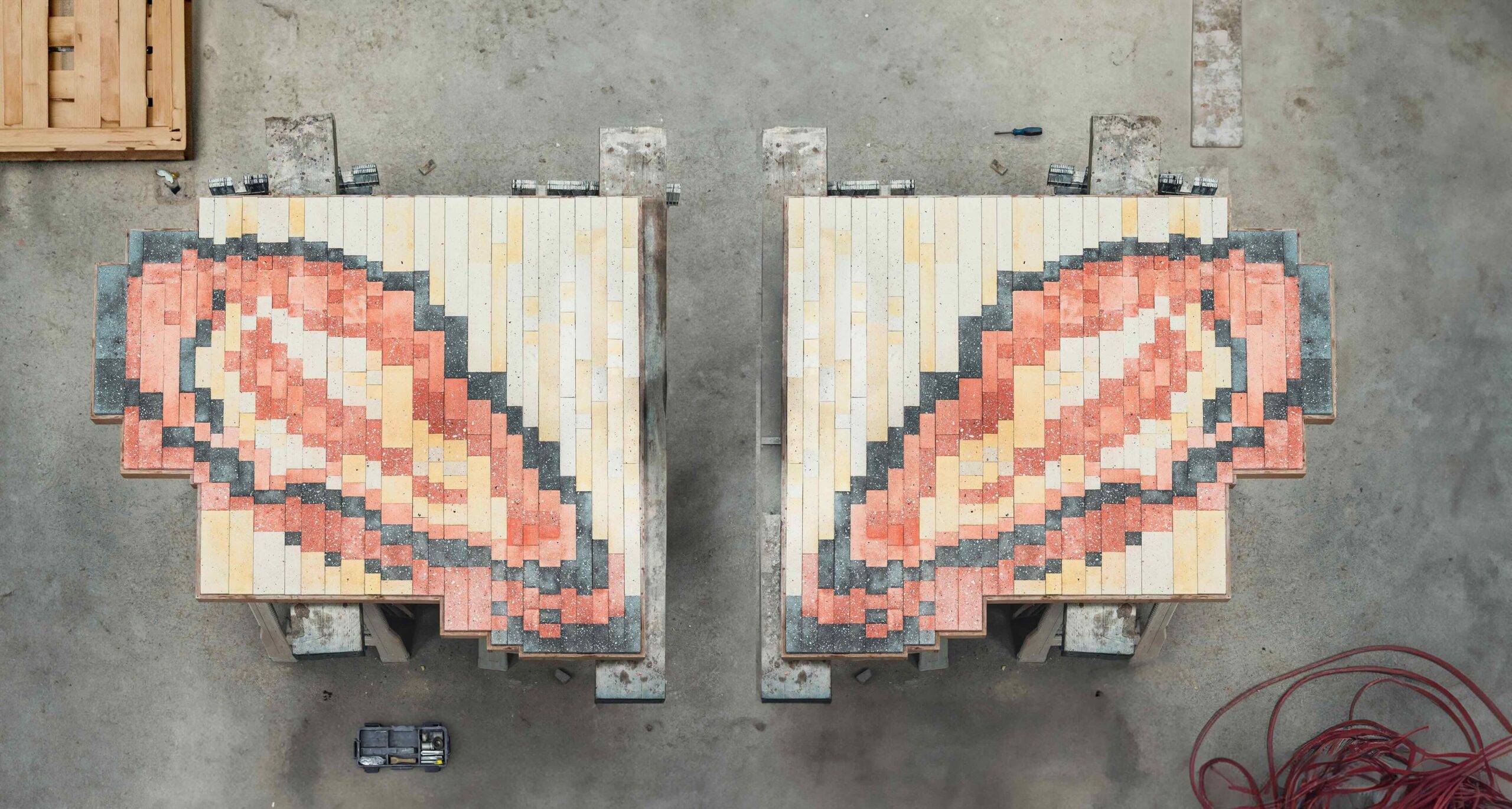
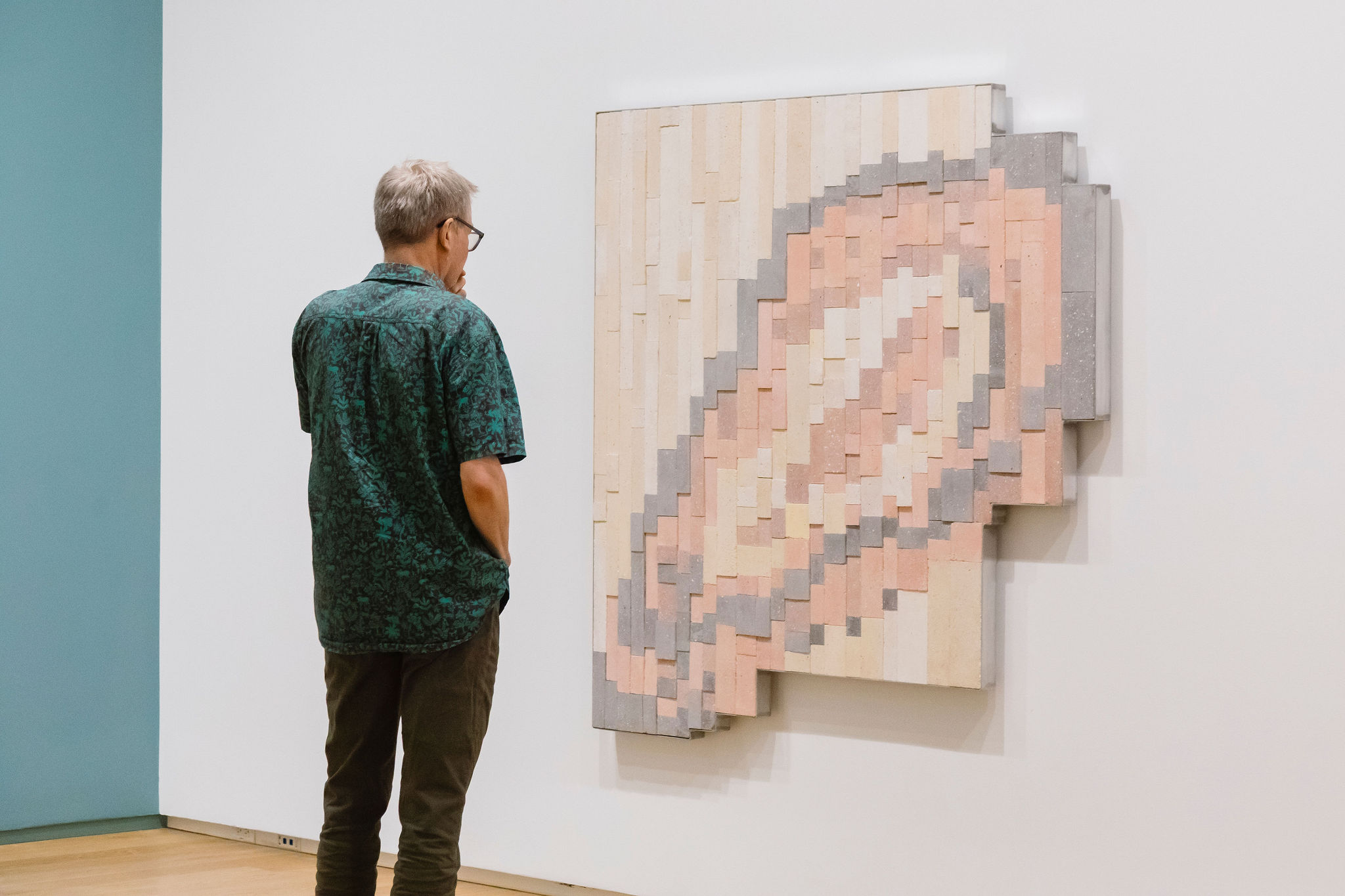
They have a station on the Isle of Skye in Scotland where they have established oyster farm beds, which supports the local economy. It helps to revitalize the ecosystem of that area and then they have used the waste shells from the museums and cultural institutions they worked with to create this terrazzo- or cement-like material that they then make into murals that are placed in museum collections. Each mural has a twin so one goes into a cultural institution on the Isle of Skye & Raasay, and the other one goes into the museum collection
For their Assembly at Remai Modern, they are bringing together food producers and harvesters, chefs, activists, academics and other community members to think through procurement—a term that shares an etymological root with curate in the Latin cura, meaning care. Together, they will consider how institutions like ours source food, the relationships those decisions create and the kinds of food systems they help sustain.
RM: What is the second day all about?
TH: Day two will bring together the other participating artists and some of their collaborators to speak to the processes, the relationships that have informed their work, and what arose as a result. It’s an opportunity to reflect on where we have come in the project to date and what possibilities have opened up moving forward.
RM: Why does art play an important role in these discussions about climate change and other relevant topics?
TH: We’re all feeling the impacts of climate change through increasingly extreme weather patterns—the smoke, fires and floods—and we’re trying to find ways to address and understand them. I think artistic practice is essential to that. In the project description, the curators cite Donna Haraway and her idea of “staying with the trouble”: resisting both the promise of easy solutions and the paralysis of despair, and instead grappling with the realities of the world as it is and working through its complexities. I think the artists in this project are doing exactly that, while expanding our understanding of what might still be possible.
This project also foregrounds Indigenous leadership, Indigenous thought and relationships to land and water, which have long been marginalized not only within the art world but also within mainstream environmental discourse. At the same time, it has brought artists and thinkers from different territories into sustained conversation, building international solidarities across distinct local contexts. Those relationships, and the possibilities they open up, are perhaps among the project’s most important outcomes—and they will continue beyond the exhibition itself.
Plan your visit
- The exhibition Carried by rivers, held by lands runs in Remai Modern’s Connect Gallery until December 6, 2026.
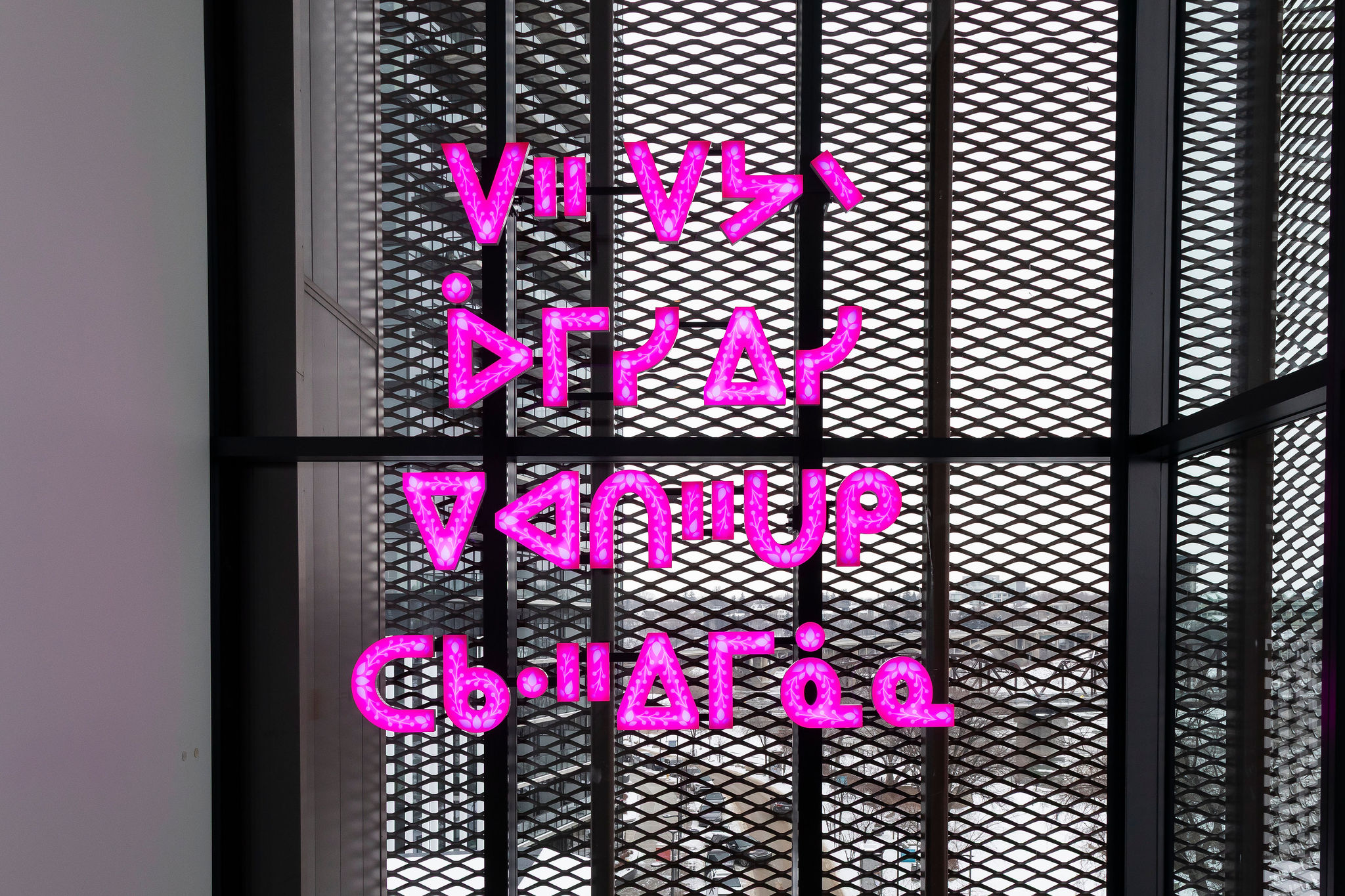
- You can also view the related work ᐯᐦᐯᔭᐠ ᐆᒥᓯ ᐃᓯ ᐁᐊᑎᐦᑌᑭ ᑕᑿᐦᐃᒥᓈᓇ (pêh-pêyak ômisi isi ê-atihtêki takwahiminâna) by Joi T. Arcand on Level 3 of the museum until the end of the year.
- The Carried by rivers, held by lands gathering takes place Friday, September 11 and Saturday, September 12 at Remai Modern. Two-day, single-day, and supported ticket options are available. All are welcome.