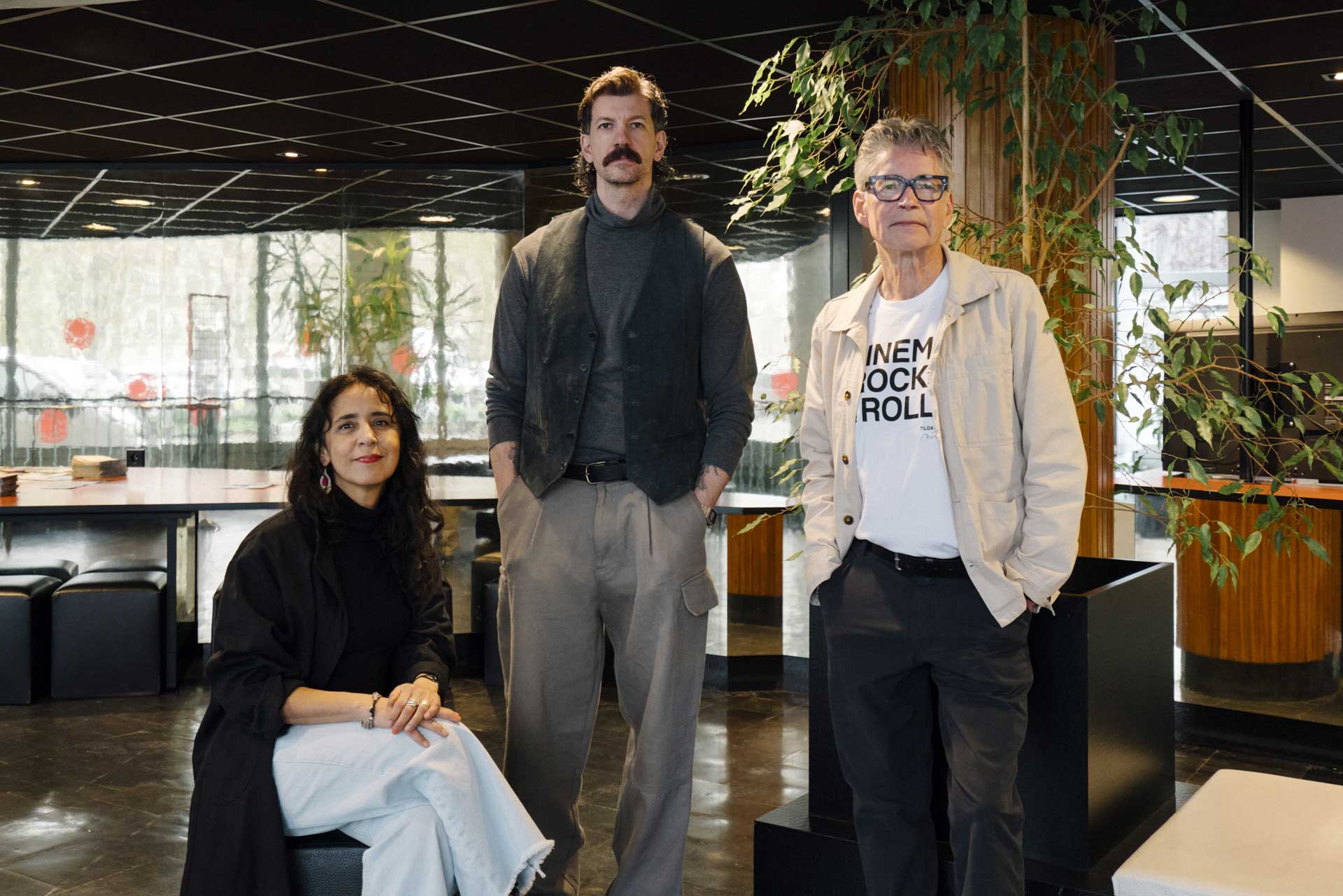

For the second year, Remai Modern and the Cité internationale des arts are launching a residency programme for artists from the Canadian Prairies. To support artistic creation and enhance the international visibility of artists from this region, three artists or curators will be selected to carry out a research and creative project in Paris as part of a three-month residency. Applications are open until June 7, 2026.
The first group of artists selected from Saskatchewan—Gabriela García-Luna, Zachari Logan and Paul Seesequasis—took part in the residency in early 2026. Below they reflect on the experience and share highlights from their time in Paris.
You can also hear from the artists directly during a conversation at Remai Modern on May 28, 2026.
Gabriela García-Luna
Describe your time at the Cité artist residency:
My time at Cité was a vibrant and enriching experience both for introspection and discovery. Being at the heart of Paris, surrounded by the Seine, in a city with rich and complex layers of history and culture and and among over 300 artists from all over the wold, was an very vibrant experience. Great art from all times and plural realities converging in the germination of new ideas.
Why did you apply for this program?
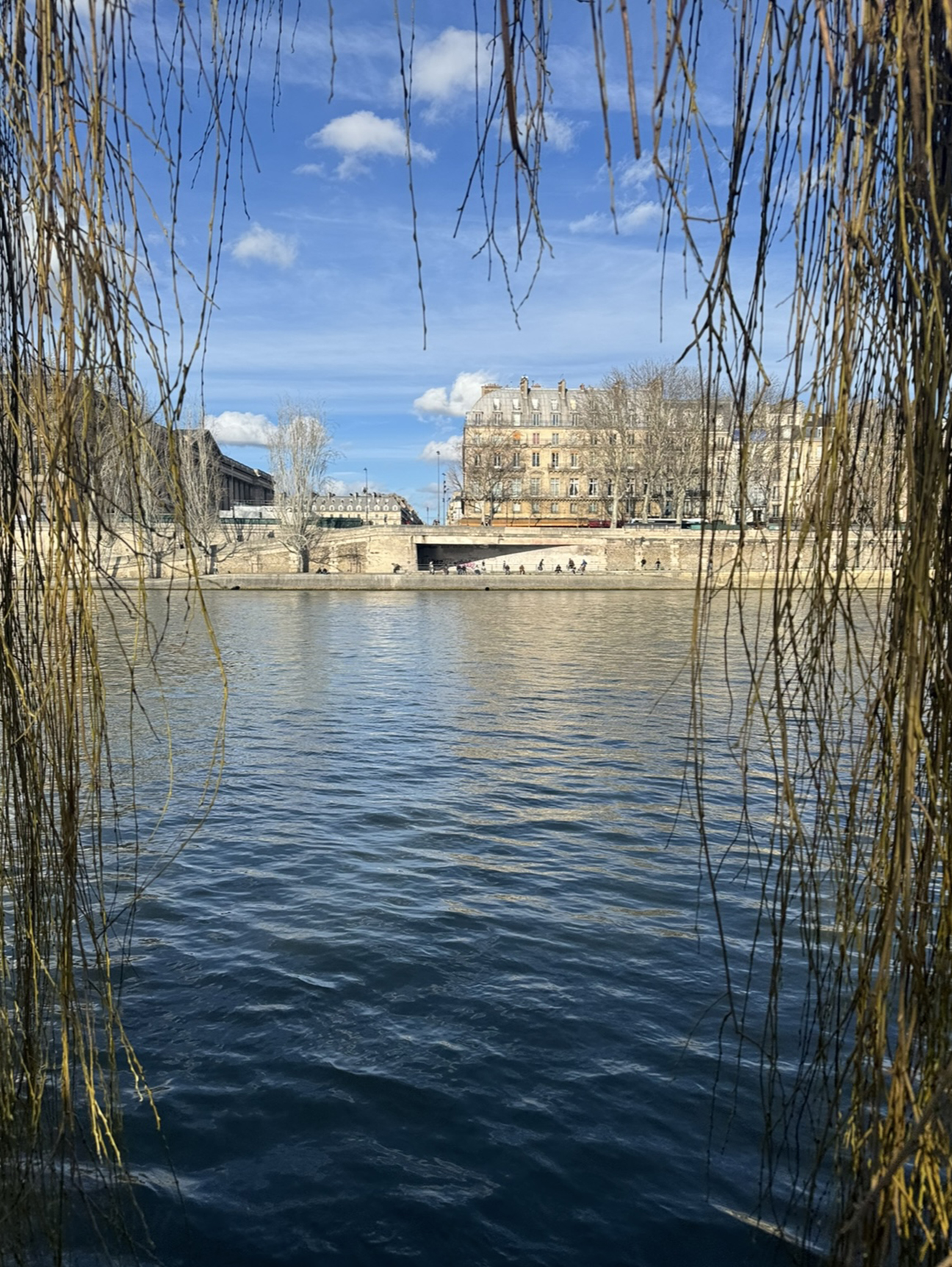
Paris has historically been, and continues to be, a transformative place for artists from all over the world. When the opportunity arose through the Remai x Cité call, I could see myself becoming part of that setting and conversation. As an artist, I was drawn to the city’s vibrancy and curious about the Seine River’s role as a driving natural force in the life of Paris.
What did you work on while you were there?
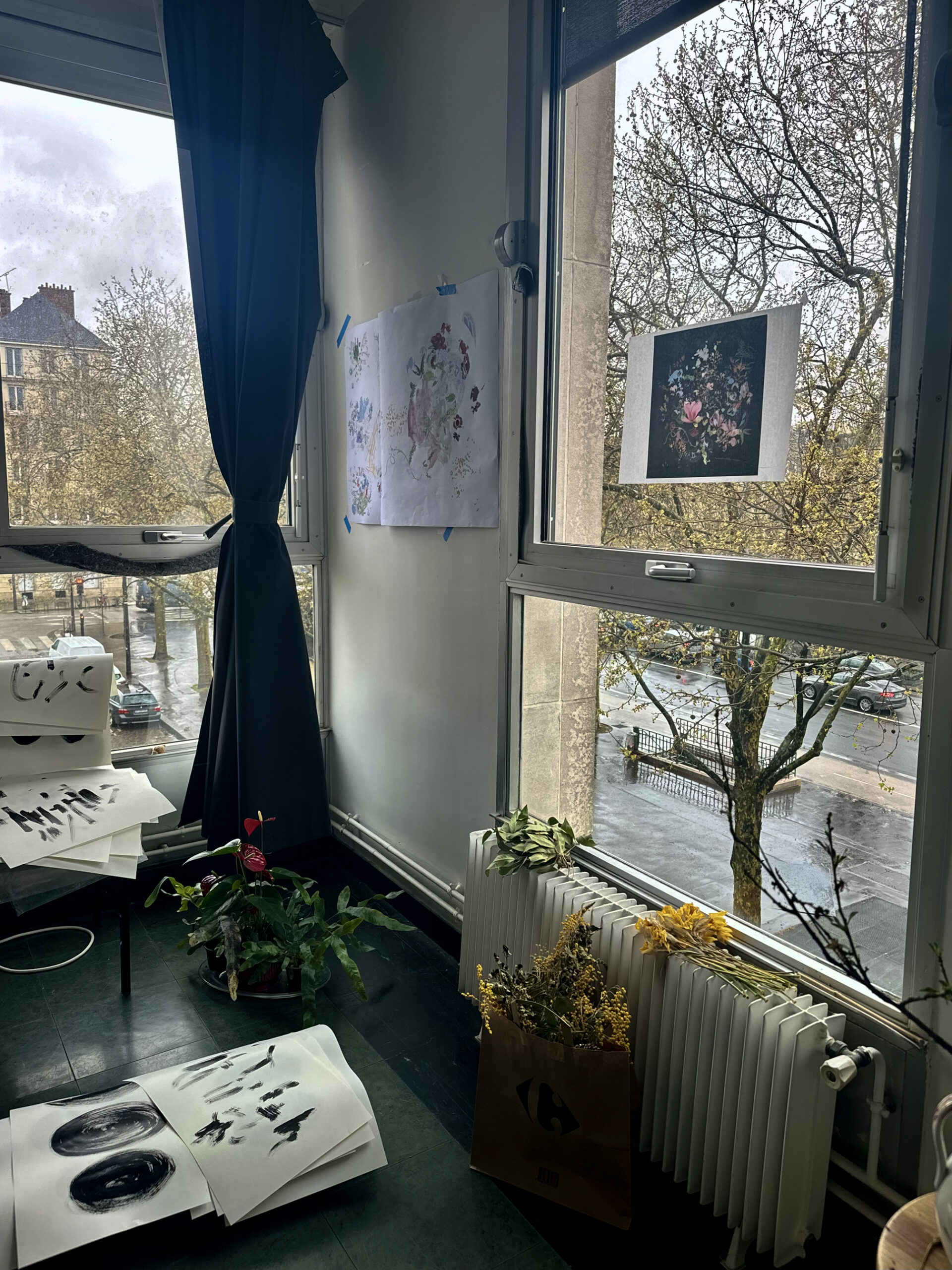
The focus of my work was the life along and around the Seine River in Paris, through observation and coexistence with the botanical life in the city; along the river banks, channels, streets, gardens, cemeteries, parks, and public spaces, as well as through visits to museums, galleries, and libraries. From everyday experiences I would gather photographic, video or sound records to began creating new works in response (Paris works).
Describe a “day in the life” during your time there:
My days at Cité would begin with coffee by the window overlooking the Seine, feeling the pulse of the city and its shifts with the quick changing weather. Each day unfolded differently, between studio work, long walks, visits to museums and galleries, explorations in the city, moments of contemplation and the many wonderful encounters and conversations with artists and others converging at Cité.
What is the most valuable thing you took away from the experience?
The most valuable takeaway from the experience was the combination of inspiration, perspective, and connections. Being immersed in a city with such a rich and complex recorded history—where art is truly at the centre—and participating in the unique residency at Cité has been transformative. I’m still discovering how this experience will continue to shape and impact my practice.
What would you say to other artists thinking about applying?
Apply! This is a very special and wonderful opportunity to engage with a diverse and wider community in a very special setting both at Cité and in Paris. And if you are selected, enjoy every minute!
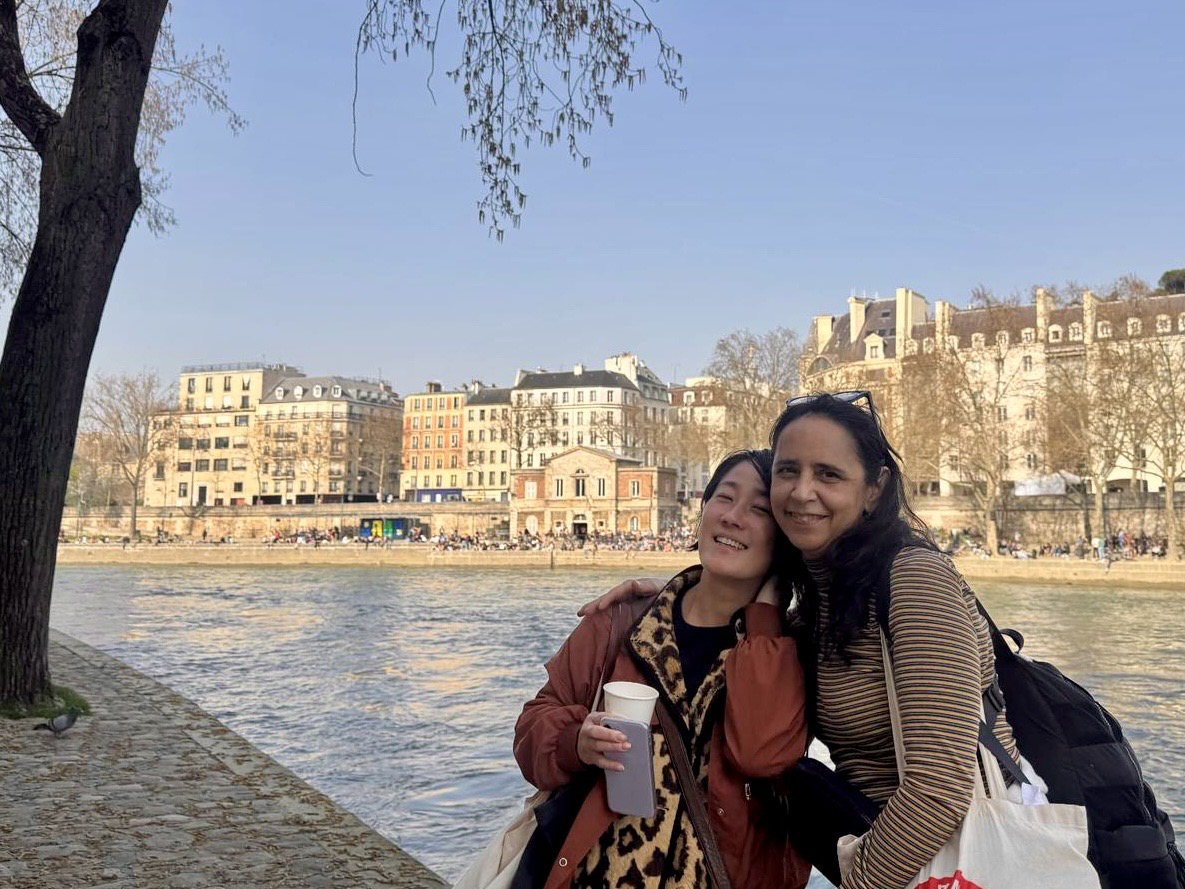
Describe a memory that stands out from the residency.
Moments of contemplation in front of amazing artwork. Moments of celebration with friend beside the Seine.
————————————————————————
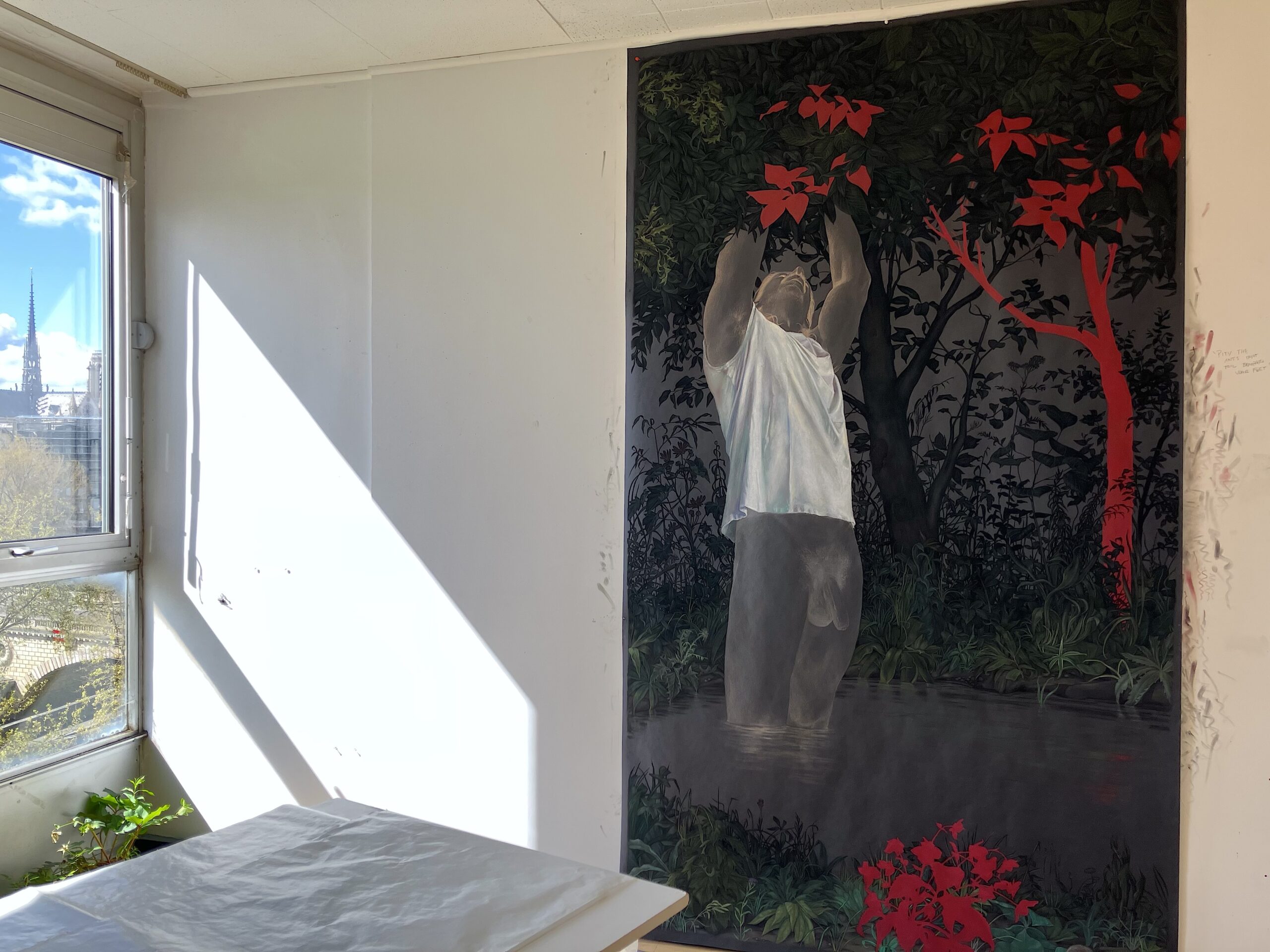
Zachari Logan
Describe your time at the Cité artist residency:
My time at the Cité was a magical mix of inspiration, studio intensity and exploration, crowned by a lifetime of memories.
Why did you apply for this program?
Paris is one of the most visually inspiring cities in the world — it’s public collections, public spaces and history are all very inspiring and generative for the research and interests I have as a visual artist. I was for a period of time represented by a Parisian gallery and spent time there developing work. It had been a very long hiatus, but I really wanted to return and work on a new body of work that, in part referenced specific works and spaces in Paris. I have also heard of Cité many times — it has a very good reputation for being a remarkable residency.
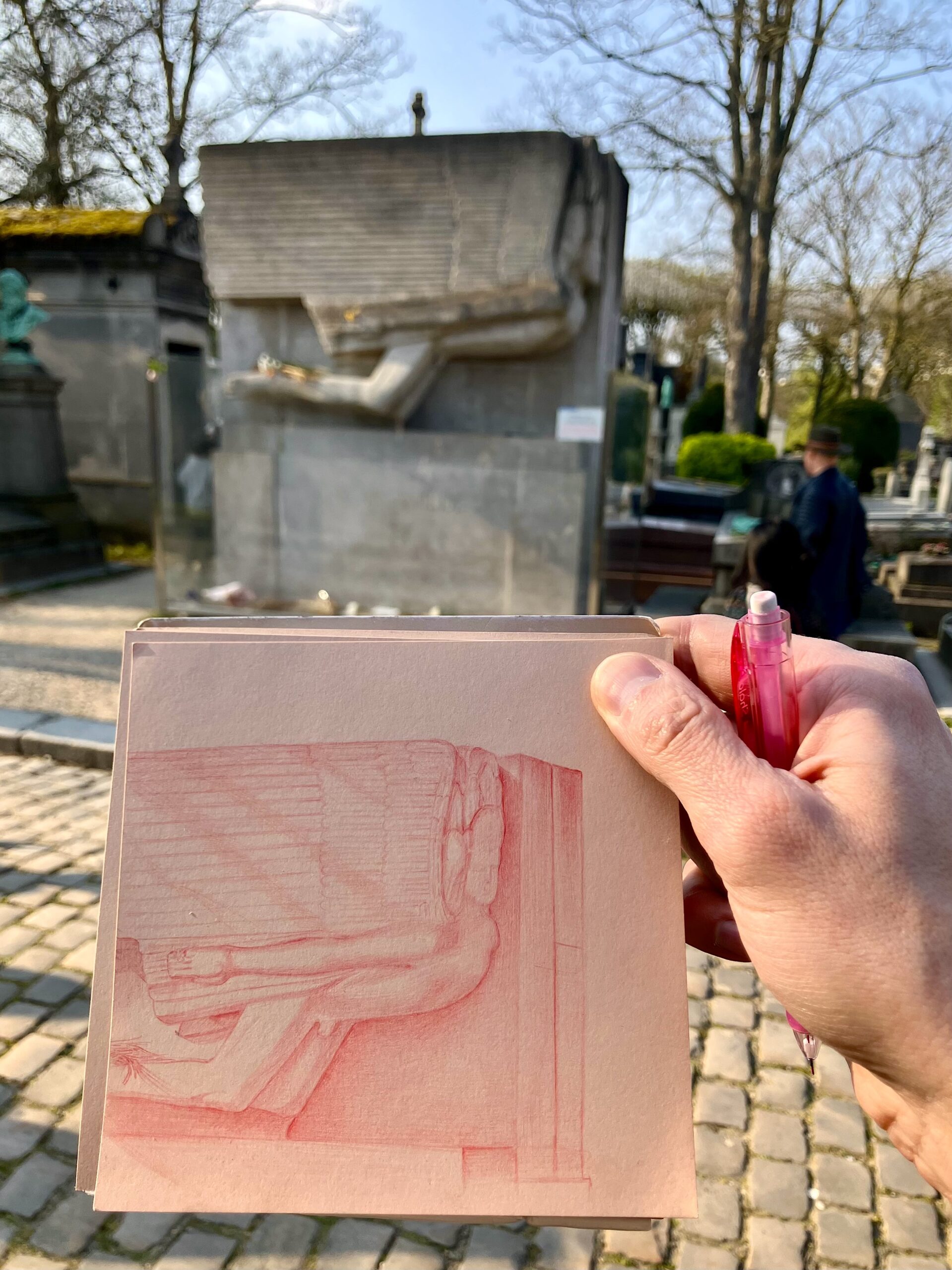
What did you work on while you were there?
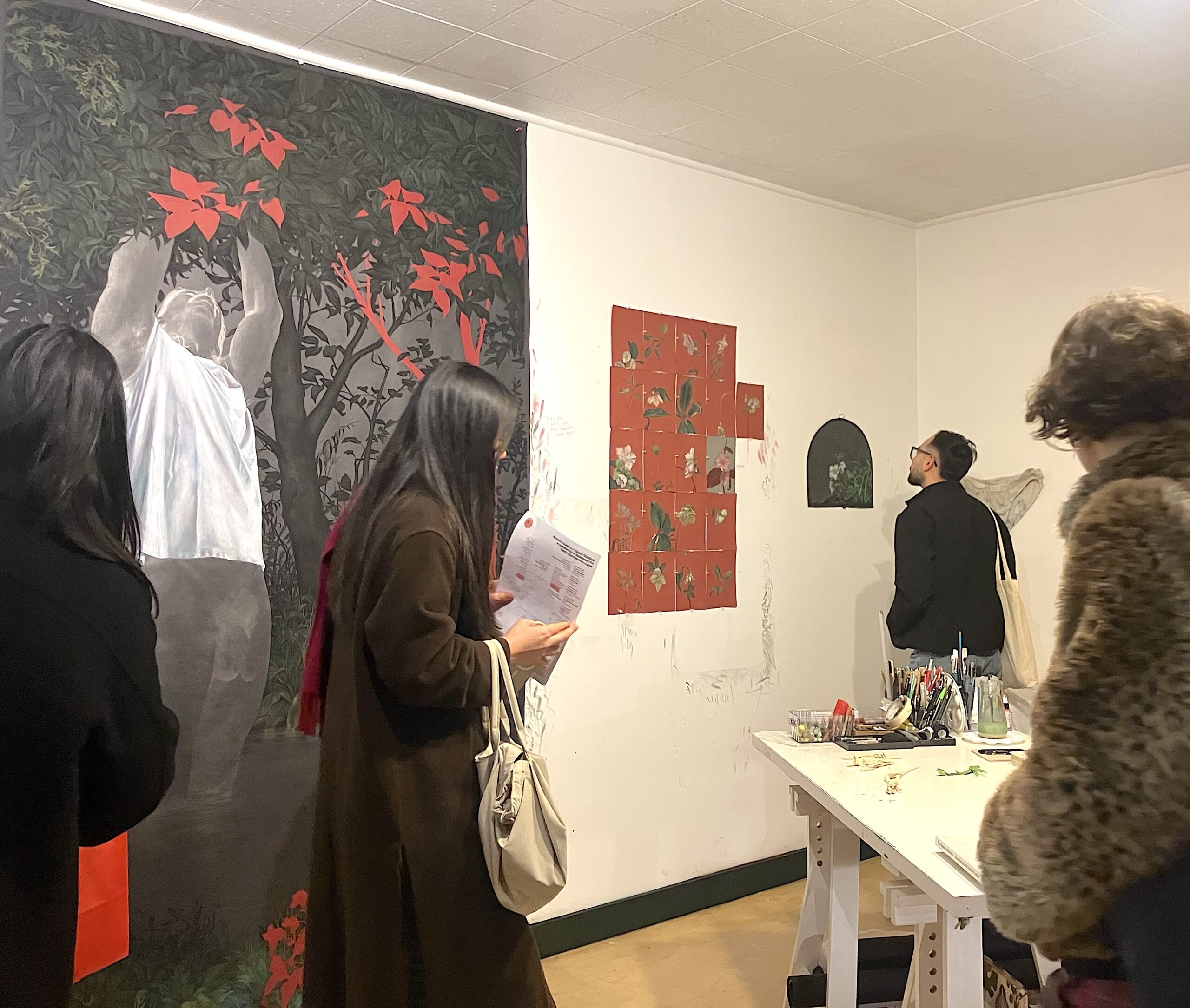
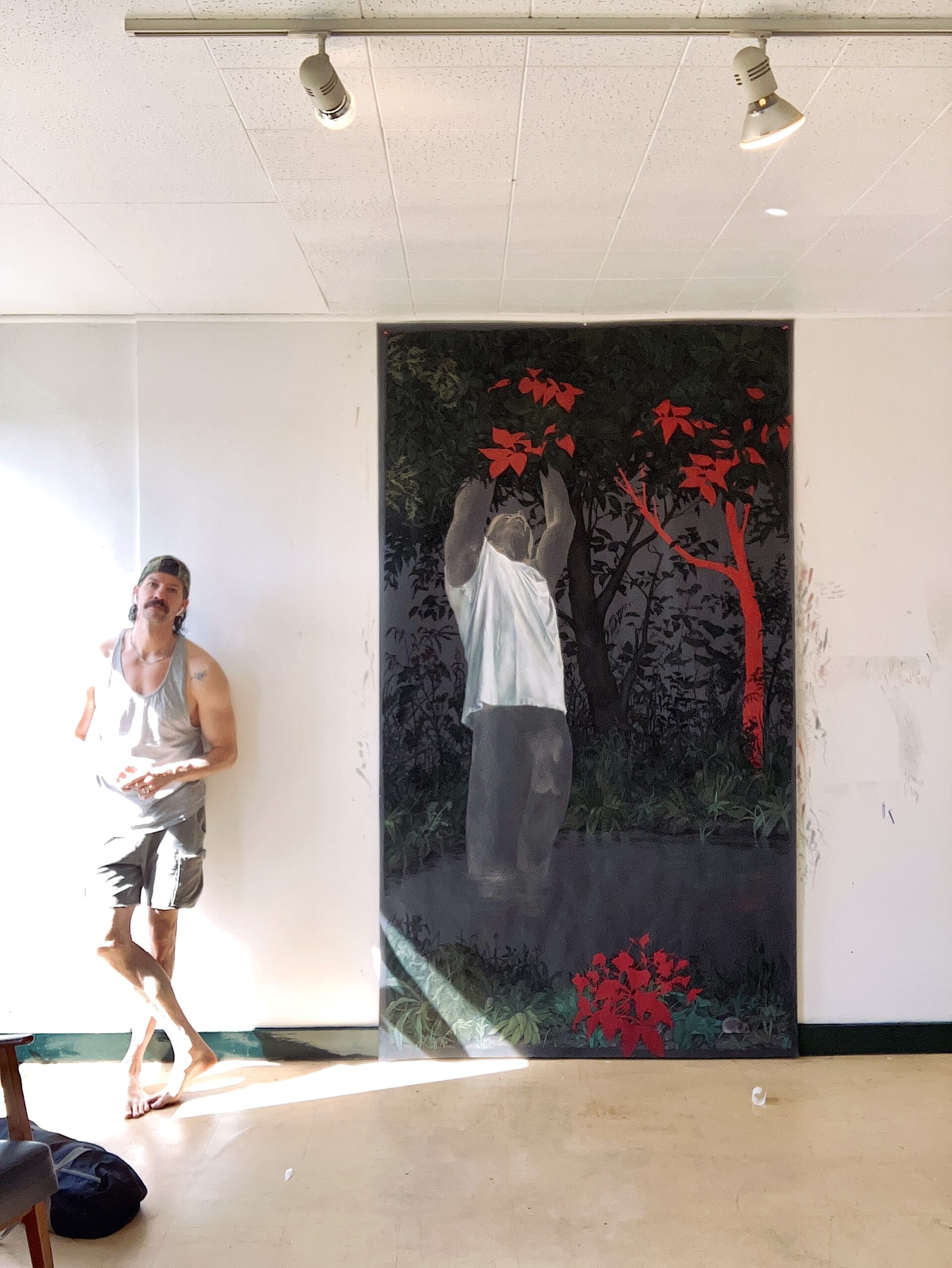
I was primarily developing a new series of large-scale drawings based on the historical tapestries in the Musee Cluny, the ‘Lady of the Unicorn’. I saw this series many years prior while I was in Paris and at the time, in the midst of working on an earlier series of drawings that were also based on medieval millefleur tapestries, the Unicorn Tapestries in the Met Cloisters. I also worked on a series of plein air drawings that explore the idea of queer embodiment and archiving. I also left myself open to discovery. Likely, my favourite new find was Musee de la Chasse in the Marais — such a lovely collection!
Describe a “day in the life” during your time there:
I was fortunate enough to have my husband Ned there on the residency the entire 3 months — and it all became rather quotidian after a short period. I would wake, have great coffee and usually set myself to both drawing and walking to collections within the neighbourhood of the Cité. Sometimes alone, other times with Ned. Walking, exploring and sitting in public was such an important aspect of my daily life there…
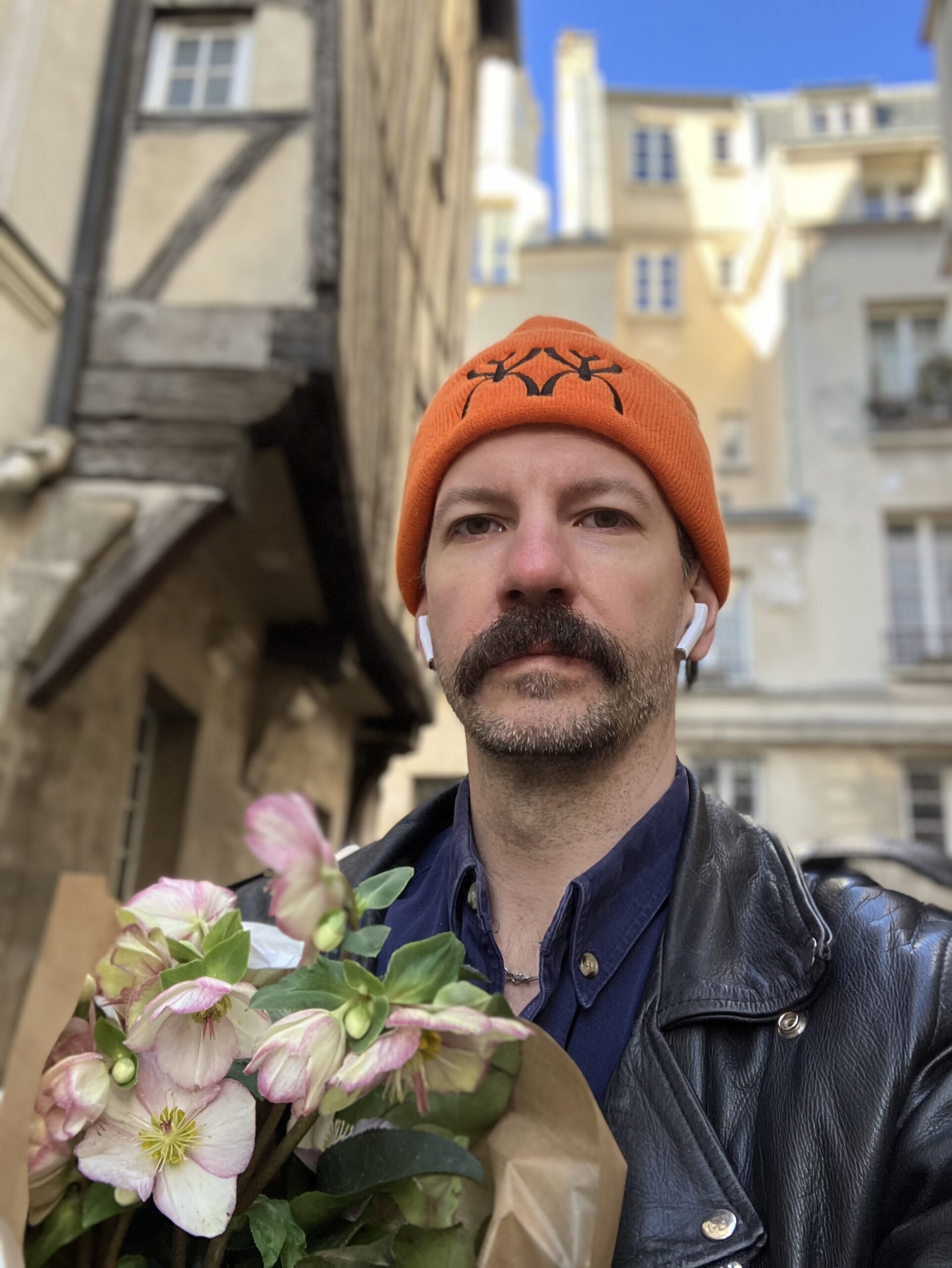
What is the most valuable thing you took away from the experience?
I think it was the ability to live and work in such a vibrant neighbourhood in Paris. Having the concerted time to research and look at work, experience public spaces and do local things over and over again. As well as have people to the studio, other artists, curators and gallerists. Basically what I mentioned before — the nature of ‘daily or quotidian’ life — it’s such an important (but seemingly simple) prospect, however, the cost of being in a place like Paris and in this part of the city is otherwise rather prohibitive to be able to have this experience.
What would you say to other artists thinking about applying?
It will be a life changing experience! If you are selected, soak it up and enjoy all the city has to offer!
Describe a memory that stands out from the residency.
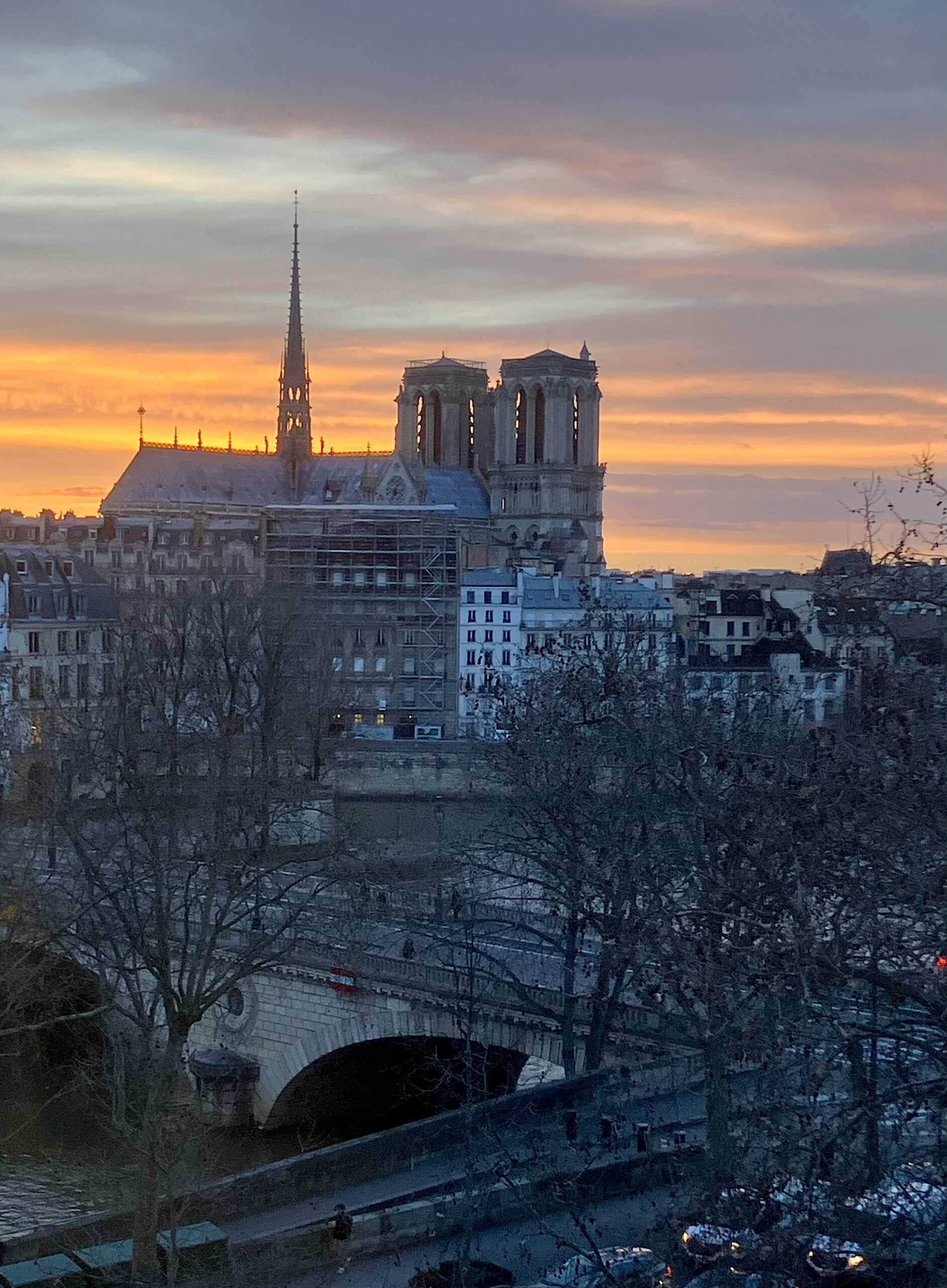
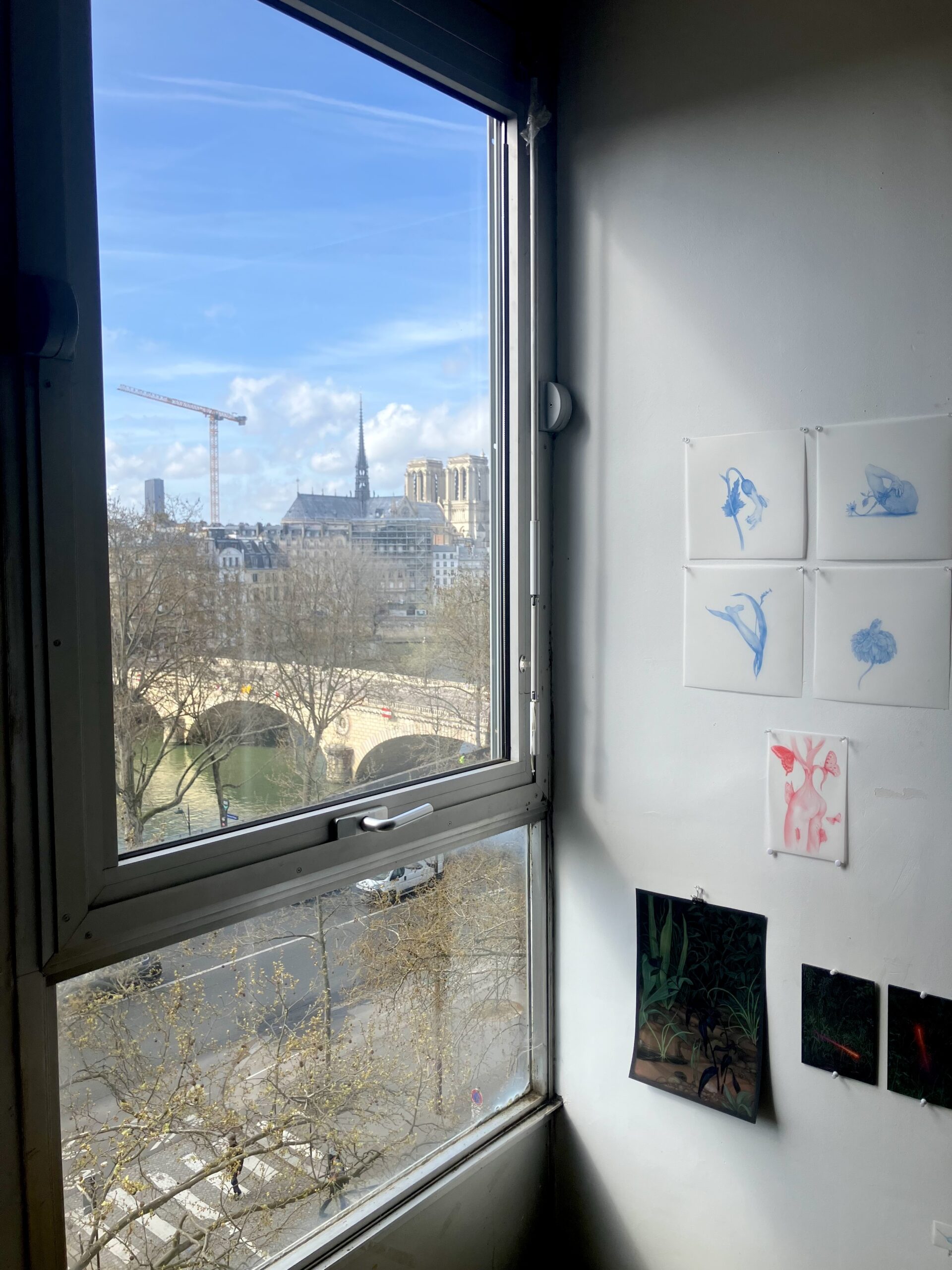
My husband reading Zola’s ‘Germinal’ to me late into evening while I was working on a drawing… the regular traffic and sounds from the Seine are still in my mind and the view I had out my window — it never just got old waking and going to sleep to that view. I drew it from my window several times.
————————————————————————
Paul Seesequasis
Describe your time at the Cité artist residency:
A remarkable and creative time in the middle of Paris. Inspirations abound.
Why did you apply for this program?
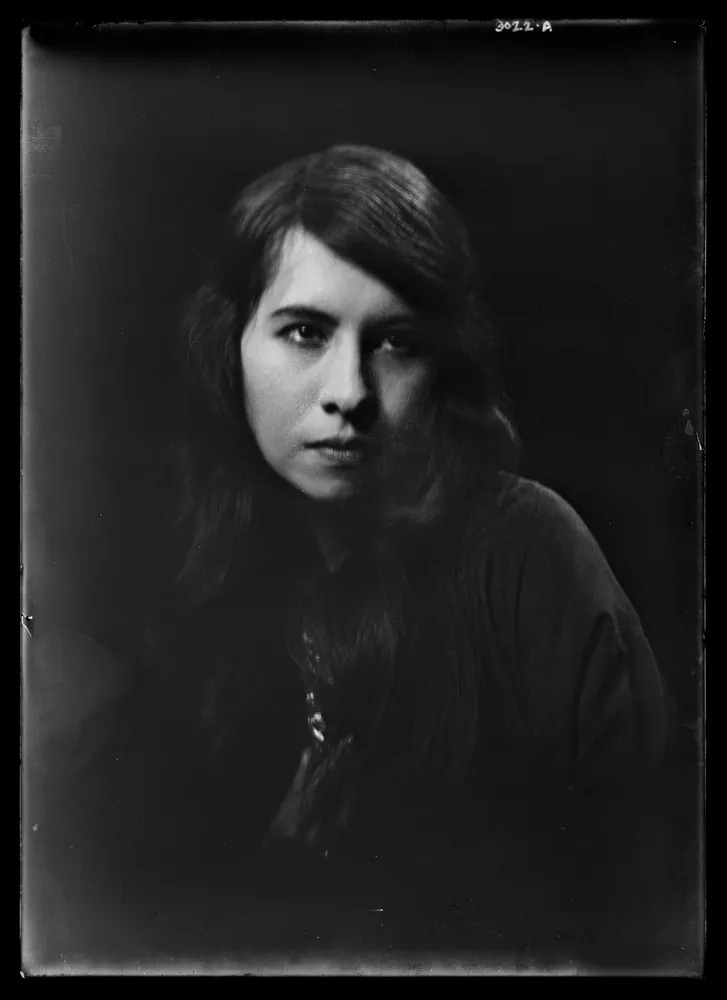
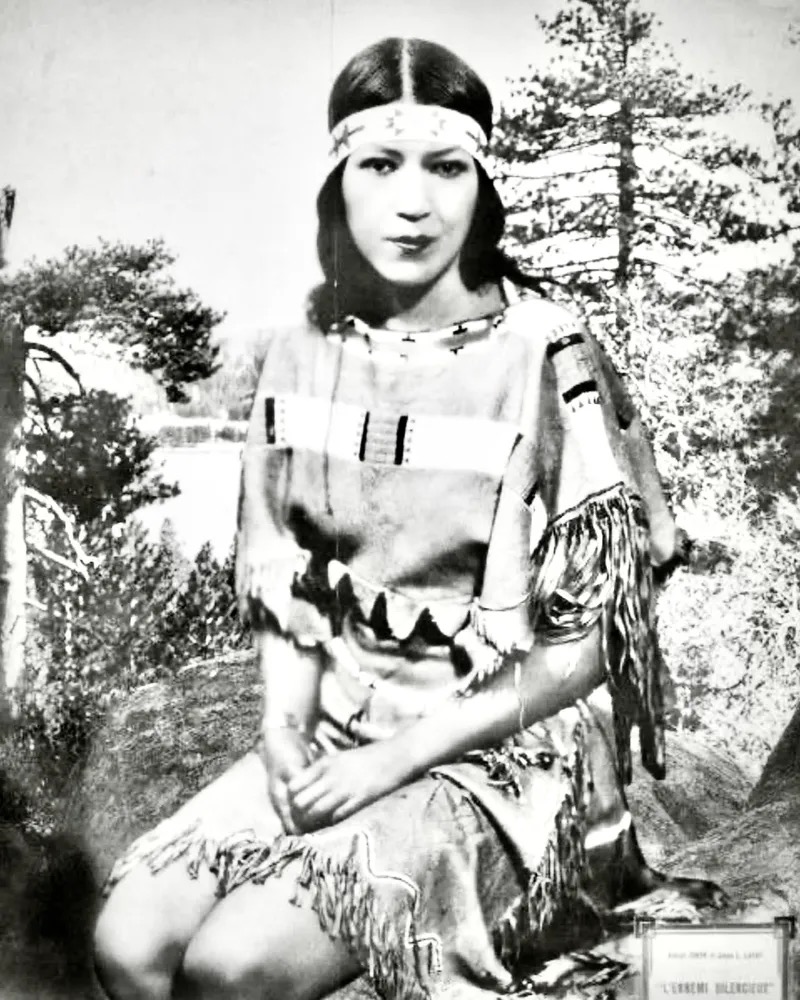
To continue archival research into the experiences and records of Native American performers who were participants in the 1889 World Exposition in Paris and also the Native American women who were dancers and performers as part of the cabaret scene in Paris in the 1920s-30s.
What did you work on while you were there?
I spent much time combing through archives, both in person and online, to pull together as much as I could in the time there, this was images, advertisements, newspaper coverages, at various archives and museums in, and around, Paris.
Describe a “day in the life” during your time there
There was no ‘typical’ day. Part of the experience that made it so memorable is that each day was ‘untypical,’ either something new would come up, or a ‘lead’ would take you down an entirely new path of investigation. Even in three months, I felt Iwas still scratching the surface of the wealth of archival material that thematically fit in with the bigger project in mind.
What is the most valuable thing you took away from the experience?
A community of artists. A city that is laden with history, but on much deeper layers than what the tourist or visitor usually sees. Again, it’s being able to go beyond the surface, uncovering stories and images and then reframing them in the context of our times.
What would you say to other artists thinking about applying?
That this residency is an experience that will not only ‘stay with you’ but impact on your practice. It is a hub of creation, where you have time and are surrounded by a creative community of international artists. It is a unique experience. A truly special residency.
Describe a memory that stands out from the residency
Adapting to and becoming part of the flow and energy of the Cité and of the city, an adjustment that happens imperceptivity, over time, but alters the way you see things and your own self, that is the most special memory of the three months.